
Who takes part in service design training?
A closer look at the roles shaping better public services
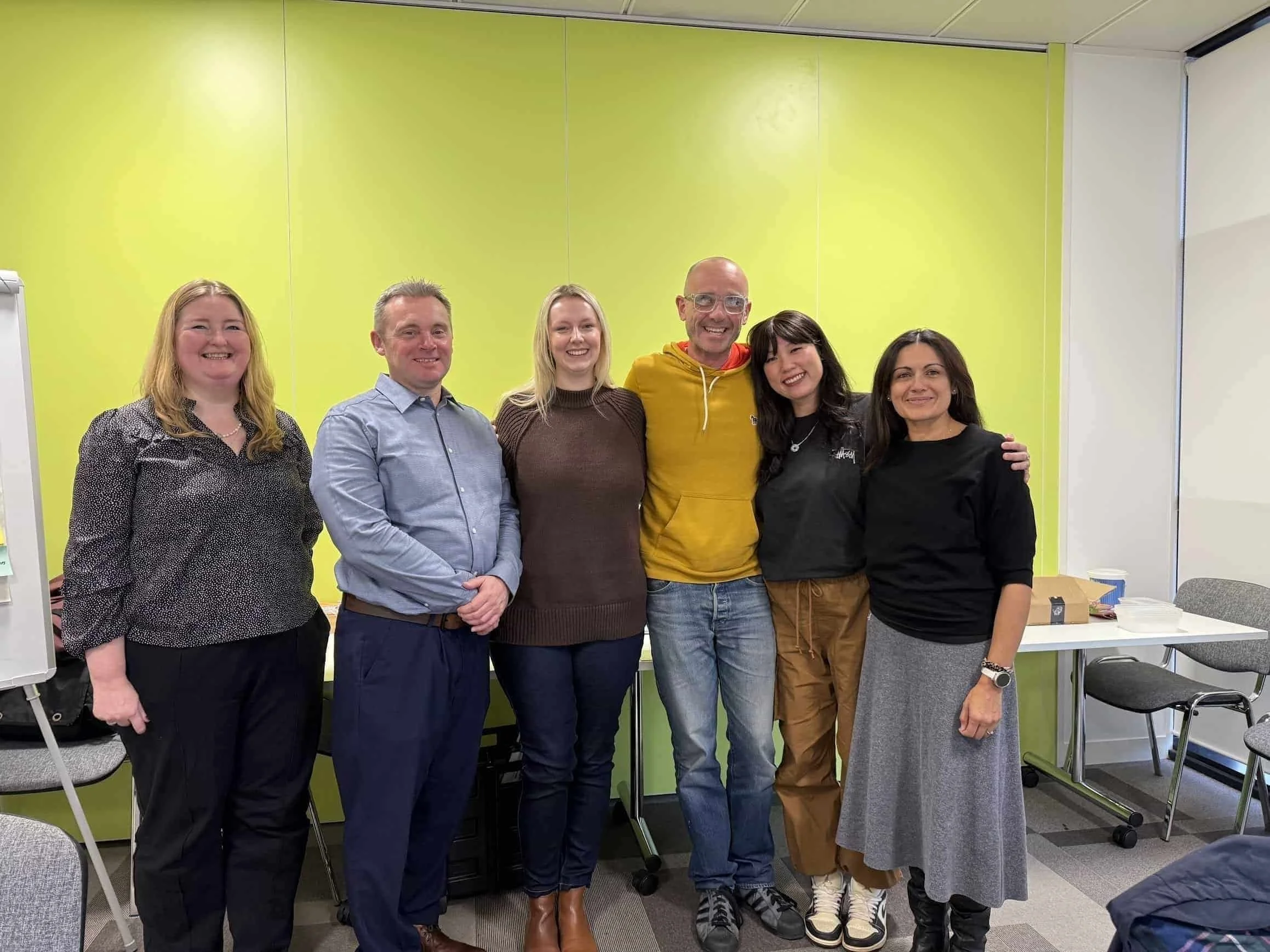
Every time I run a cohort of Service Design in Practice, I’m reminded that the people who turn up aren’t only the “designers”. They come from policy, operations, analysis, customer experience, regulation, neighbourhood services, law, environmental protection, housing, digital and more.
A quick look at the job titles from recent cohorts shows just how broad the landscape has become. It’s increasingly clear that service design is no longer the preserve of digital teams. It’s becoming a shared language across entire organisations.
This post takes a closer look at the types of roles now engaging with service design, what patterns are emerging, and what this tells us about how organisations are trying to work differently.
A wide spectrum of design and user-centred roles
The most obvious group includes the roles you would expect:
Service Designers and Senior Service Designers
User Researchers (including senior and manager roles)
Content Designers
Interaction and UX Designers
Associate UX Architects
Delivery and product leads
These participants often come with a good grounding in user-centred practice. What they are looking for is something broader: a way to move beyond screens and journeys and into the messy realities of end-to-end services.
Many arrive wanting tools to influence policy teams, build confidence across their organisation, or work more effectively with colleagues in operations and strategy.
I’ve noticed that design teams are maturing, and people want approaches that work in real public-service contexts, not just within digital projects.
The rise of business analysts, process specialists and operational roles
The second, and increasingly prominent, group includes:
Business Analysts
Business Systems Developers
Business Process Designers
Programme and Project Managers
Heads of Analysis and Design
PMO leaders
Service Coordinators
Their interest is striking. Many analysts tell me they want to move beyond process mapping and requirements gathering. They want methods that help them move from focusing on business needs towards also uncovering the underlying needs of service users.
Service design gives them a different perspective: focusing on problems before solutions, building shared understanding across teams, and exposing where systems and services don’t align with real user needs.
I’ve noticed that service design is becoming a natural complement to business analysis and operational improvement, especially in councils and housing associations.
Policy, strategy and regulatory leaders are now part of the picture
Policy and regulatory roles used to sit far from service design conversations. Not any more. Cohorts have included:
Policy Managers in areas like food, the environment and sustainability
Regulation specialists
Government lawyers
Strategic directors and inter-governmental managers
These participants usually want to understand how real people experience the systems they design. They recognise that policies and regulations eventually become services, and that poor design at the policy stage creates expensive problems later.
I’ve noticed that service design is becoming a bridge between policy intent and the reality of delivery.
Customer experience, engagement and membership teams
Another sizeable cluster includes:
Customer Service Leads
Engagement Officers and Managers
Membership teams
Customer insight specialists
Impact leads
These roles often sit outside digital services but are deeply connected to what people experience. They want to move from reactive feedback work to something more proactive and strategic. Many are trying to introduce co-design, improve their organisation’s understanding of lived experience, or build more coherent service journeys.
I’ve noticed that service design is increasingly forming the backbone of customer experience work across public and non-profit services.
Heads of service, directors and senior operational leaders
One of the most encouraging trends is the number of senior leaders who join:
CEOs
Service Directors
Regional Directors
Heads of Neighbourhoods, Registration, Assets, Technology and more
These participants usually aren’t seeking hands-on design skills. Instead, they want a clearer understanding of what good practice looks like, how to support cross-functional working, and how to influence culture change. They are looking for a practical, grounded way to lead transformation rather than commissioning yet another one-off project.
I’ve noticed that leadership teams increasingly see service design as essential to strategy and organisational culture, not a technical discipline.
Domain specialists using service design in complex, high-risk services
A final notable group includes specialists working in a variety of domains, for example:
Flood warning and informing
Childcare grant services
Environmental protection
Housing and neighbourhood services
Circular economy and sustainability
Skills and training
These roles are experts in their domain and want tools for working across teams, understanding lived experience, and making complex services more coherent and resilient.
I’ve noticed that service design is being adopted in areas where technical expertise has traditionally dominated, signalling a shift towards more collaborative and user-centred ways of working.
What this mix of roles tells us about where public services are heading
Across all these roles, a few themes stand out.
Service design is becoming organisational, not technical
It’s moving beyond digital teams into policy, strategy, operations and frontline delivery.
People want methods that help them think differently, not more tools
The attraction isn’t software or templates. It’s a structured way to explore problems, involve the right people, and make more confident decisions.
Cross-functional collaboration is the real gap
Most participants join because they want help working across boundaries: policy meeting delivery, analysis meeting lived experience, and leadership meeting day-to-day reality.
There is a growing appetite for practice that reflects real public-service conditions
Participants want practical approaches that work in real situations shaped by legislation, budgets, politics, organisational history and public accountability.
They don’t want a set of abstract tools and methods.
What this means for the future of capability building
Looking across these job roles, it seems to me that service design is becoming a shared discipline across entire organisations, not just design teams.
That’s encouraging. It also places a responsibility on those teaching and supporting the work to keep it grounded, relevant and accessible.
Service design has the potential to be a unifying way of working across public services. But only if we equip people at every level – from analysts to policy makers to directors – with approaches they can actually understand and use in practice.
Turn what you’ve just read into practice
Service Design in Practice is an eight-month course for people working in public services who want to move from “interesting ideas” to real change.
We’ve trained over 100 public servants since 2019. It’s the only UK-based service design course designed specifically for public servants and a pathway to Service Design Practitioner Accreditation.
If this post reflects the kind of work you’re doing – or want to be doing – this is the course that will help you get there.
