
Service design for housing associations
Designing repairs, lettings and support services that meet tenant needs is one of the social housing sector’s biggest challenges – especially with ageing systems, regulatory pressure and rising expectations.
You can be working hard to deliver improvements in a housing association and still find yourself:
dealing with recurring resident complaints
seeing reduced resident satisfaction without a clear ‘why?’
frustrated by slow or siloed change
working on digital or service redesign projects that don’t actually meet the needs of the people they’re designed for.
Service design helps housing associations design services that work – for the people delivering them and for tenants.
Service design in social housing: Resources and useful reading

What is service design?
If you’re new to service design, this short guide explains:
what service design actually is
why it’s particularly relevant for public and third sector services
how non-designers use it to improve services

CPD webinar: Inside Housing - How customer journey mapping can improve the resident experience
This is a free CPD webinar that our founder Jo created with Inside Housing. It focuses on customer journey mapping and how social housing providers like housing associations can meet the needs of diverse resident populations. It counts towards CPD minutes and covers:
common pitfalls in journey mapping
the parts of the experience tenants actually emphasise
examples of improvements made by social housing teams.
Blog: Regulation, pressure and rising tenant expectations
Most people in social housing have experienced a tenant consultation that felt like a tick-box exercise. But across the sector, there’s now a real shift towards meaningful tenant influence, where tenants shape decisions rather than simply validate them. This blog summarises some insights on the regulations for social housing in Wales (but is relevant across the UK).
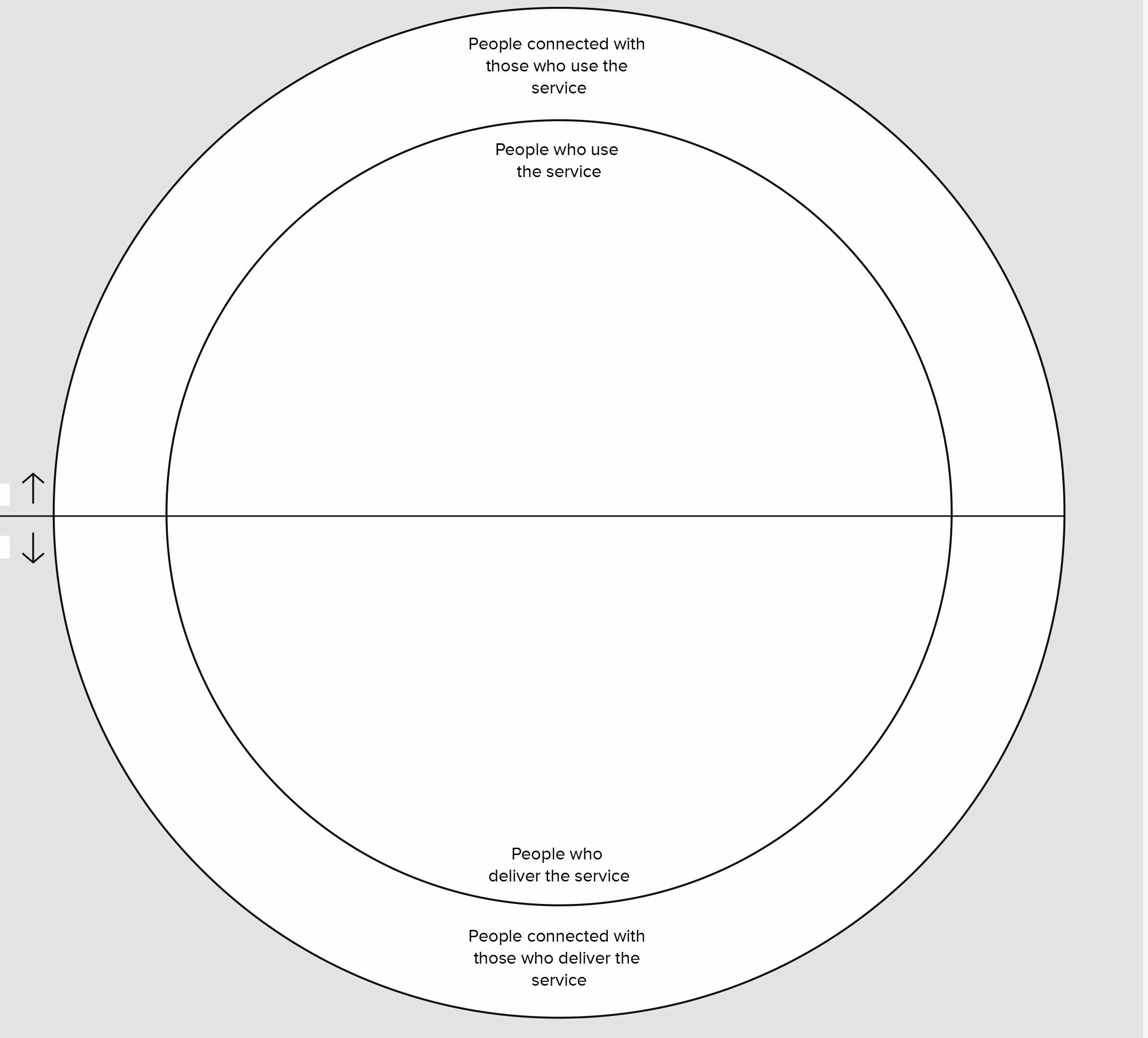
Tool: Stakeholder mapping // Who are your users?
To support better engagement decisions, this stakeholder mapping resource is a practical tool social housing teams value. It helps you identify:
which tenant groups to involve early
which staff roles shape the experience
where you may be missing overlooked perspectives

Case study: Applying a service design mindset to help a new housing association tenant app succeed
If you want to see service design making an impact in housing, here’s how two people from a housing association brought their service design learning back to work, changing the direction of travel for the organisation's new self-service tenant app.
Training to design housing services that work
COURSE
Introduction to Service Design
Ideal if you’re new to user-centred design, or work alongside service designers and want to understand the basics, so you can see what might be possible in your housing association.
COURSE
Service Design in Practice
Our 8-month accredited programme with group workshops, live work-based challenges and 1:1 coaching. Designed for people shaping organisational change, customer service and resident experience.
TEAM TRAINING
Design+Learn Live
Our training for teams of social housing professionals. We deliver a bespoke series of workshops to your team, while they work together on a live housing services challenge your organisation is facing. The package also includes one-to-one guidance and coaching.
Who does service design training?
Service design training is not just for service designers. It’s for anyone who has a hand in shaping, delivering or improving services in housing.
That includes people in resident services, engagement, complaints, digital, service improvement, operations and leadership roles. It’s particularly useful for teams that need to integrate services, respond to resident insights, and make improvements that work in the real world – not just on paper.

There is no one set path into service design
Many people working in service design in social housing started out in customer services, operations, tenant engagement or digital. Our interview series explores the squiggly paths that brought them there.



More about our service design support for housing associations
Service Works helps housing associations improve the quality, consistency and impact of their services. We provide practical training and support that enables teams to design more effective services and deliver better outcomes for tenants and residents. Our training can be delivered online, in person, or as a blended programme.
Practical support rooted in real housing challenges
Our approach is practical, tailored and grounded in the realities of social housing. We go beyond theory. Participants learn tools, techniques and behaviours they can use straight away to:
understand problems more clearly
make sense of resident and staff experiences
test improvements before committing to them
design services that work better in practice.
The focus is always on helping people apply service design to real work, not just understand it as a concept.
Using service design to improve housing services
Service design can help housing associations tackle challenges such as:
strengthening tenant engagement
improving the resident journey
reducing friction in services
making services feel more joined up
building staff confidence to make meaningful change.
Participants also explore the small, practical actions they can personally take to help their organisation work differently. This encourages individual responsibility and helps people start making change from where they are.
Who service design training is for
Service design training is useful for anyone involved in shaping, delivering or improving housing services.
This often includes:
customer-facing teams
resident engagement and insight leads
service improvement teams
digital teams
managers and senior leaders.
It is especially helpful for teams who want to improve services around real resident needs, rather than starting with internal processes or assumptions.
Outcomes for housing associations
Learning about service design can help housing associations:
improve the resident experience
create more consistent and joined-up services
build internal capability for ongoing improvement
support work linked to tenant satisfaction measures and regulatory expectations
give staff practical tools and confidence to make improvements in their own work.
The result is a more practical, user-centred approach to improving services – one that helps teams make better decisions and create better outcomes for residents.